 RICHARD
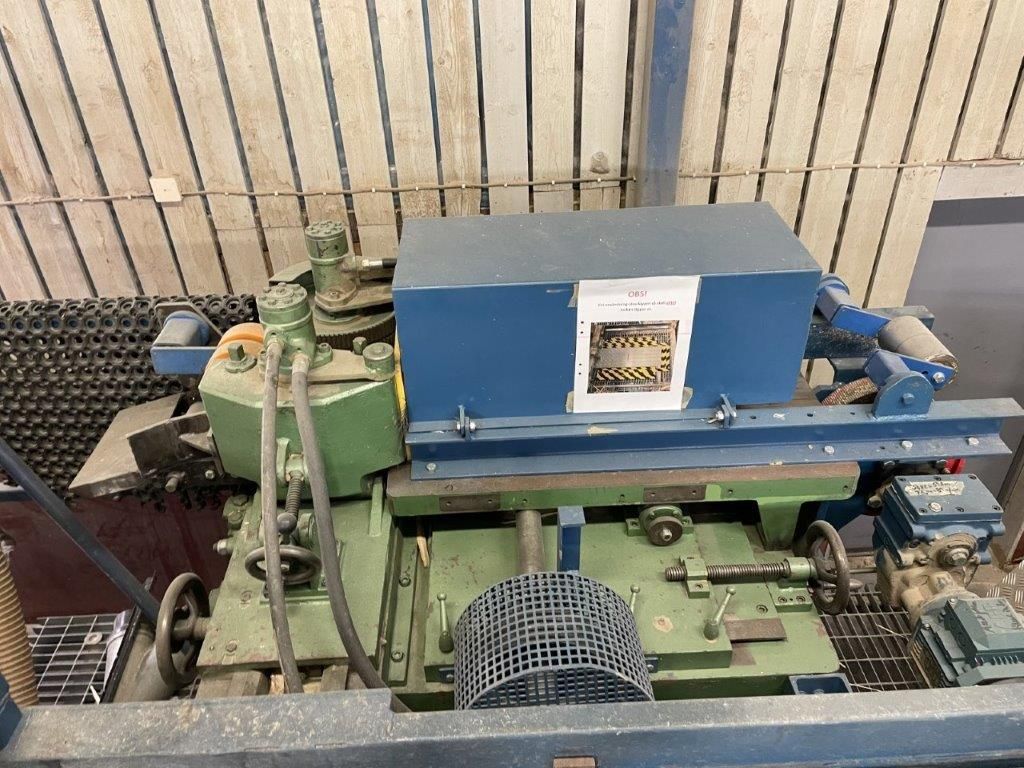
Maintenance & Care: Extending the Life of Your Splitting Saw
A splitting saw is one of the most heavily loaded machines in any sawmill or joinery workshop. It works daily with heavy, uneven timber, high forces, and constant vibration. That's exactly why systematic maintenance is crucial – not just to avoid costly downtime, but also to keep the machine precise year after year. In this article, we go through concrete routines that extend the lifespan of splitting saws, feed systems, and related equipment, whether you're running an older hydraulic splitting saw or a more modern core splitter.
Why Splitting Saw Maintenance Is Especially Important
Unlike, say, a band saw, where the load is often more even, a splitting saw is subjected to sudden shock forces when the timber is split. This wears bearings, hydraulic cylinders, feed rollers, and blades considerably faster if the machine isn't properly cared for. Poor maintenance often leads to:
- Uneven split results and more downstream cutting/adjustment
- Increased wear on hydraulic pumps and valves
- Higher energy consumption
- Unplanned stops in the middle of production
A well-maintained splitting saw, such as a hydraulic splitting saw, can last considerably longer than its expected lifespan if you follow the right routines.
Daily and Weekly Inspection
Most serious faults start as small deviations that could have been caught early. Build these checks into the daily routine:
- Check hydraulic oil – level, color, and any signs of water contamination. Milky oil suggests condensation or seal leakage.
- Listen for unusual noises from pumps, cylinders, and drive motors.
- Inspect the splitting knife or saw blade for cracks, nicks, or dullness.
- Clean chip intakes and sensors – sawdust and dust often cause false alarms or poor feeding.
- Check the feed rollers' grip on a feed system, since slipping rollers cause uneven splitting and extra strain on the entire line.
Lubrication – The Single Most Important Factor
Most downtime on older splitting saws can be traced back to insufficient lubrication. Bearings, guide rails, and joints should be lubricated according to the manufacturer's schedule, but in a dusty sawmill environment it's often wise to increase the frequency. Keep in mind to:
- Use the correct grease grade for heavy load and moisture
- Lubricate after cleaning, never before chips and dust are removed
- Document lubrication intervals machine by machine – especially if you run several splitting saws in one line
On a core splitter, where guide precision is essential for hitting the center of the timber correctly, neglected lubrication shows up particularly clearly through uneven splits and increased play.
Hydraulic System Care
Hydraulics are the heart of most splitting saws. These are the most common issues we see in used machines coming in for refurbishment:
- Clogged filters causing overheating and pressure drops
- Leaking cylinder seals due to infrequent oil changes
- Air in the system after hose replacement, causing jerky movement
Change hydraulic oil and filters on a fixed schedule, not just when problems become visible. A simple log of oil changes, filter changes, and any leaks makes it easier to spot patterns before they turn into costly breakdowns.
Knives, Blades, and Cutting Tools
Whether the machine is a classic splitting saw with a circular blade or a splitting-knife-based design, sharpness is crucial for both results and the load on the motor and drivetrain. Dull knives require more force, which in turn wears down the entire machine harder. Keep track of:
- A sharpening rotation schedule for knives/blades
- Balancing after every sharpening, especially on rotating blades
- Storing spare knives dry and rust-free
Electrical and Mechanical Components
Motors, switches, and control systems benefit from regular cleaning of dust and chips, since overheating is a common cause of death for older electric motors in sawmill environments. Also check:
- Couplings and drive belts for cracks or play
- Safety switches and emergency stops – should be tested continuously, not just at annual inspection
- Mounts and vibration dampers, which loosen over time and amplify wear on the entire frame
Creating a Simple Service Schedule
It doesn't need to be advanced to work. Many sawmills we work with manage very well with a schedule split into three levels:
- Daily – visual inspection, cleaning, oil level
- Weekly – lubrication, blade sharpness check, safety system function test
- Monthly/Quarterly – filter change, hydraulic oil, feed roller adjustment, and calibration
By documenting this, even simply in a spreadsheet, it becomes easier to spot trends and plan major service before a breakdown forces an emergency stop.
When Is It Time to Invest in a New/Used Machine?
Even with the best possible maintenance, every machine eventually reaches a point where repair costs start to exceed the value of replacement. If you notice recurring hydraulic faults, a cracked frame, or that precision can no longer be adjusted despite new components, it might be time to review your fleet. At Richard.se, we're happy to help you find a used splitting saw or complementary equipment that matches your production, while getting good value for the machine being phased out.
FAQ
How often should hydraulic oil be changed in a splitting saw? As a rule of thumb, changes are recommended every 1,000–2,000 operating hours, but in dusty environments or when signs of contamination appear, the interval should be shortened. Always check the oil's color and smell regularly between changes.
What are the most common signs that a splitting knife needs sharpening or replacement? Uneven split surfaces, increased noise and vibration, and the machine requiring noticeably more force or time for the same work are clear signals that the knife or blade has lost its edge.
Can poor maintenance of the feed system affect the rest of the sawing line? Yes. Slipping or misaligned feed rollers cause uneven feed speed, which puts extra strain on both the splitting saw and subsequent equipment, and increases the risk of downtime further down the line.