 RICHARD
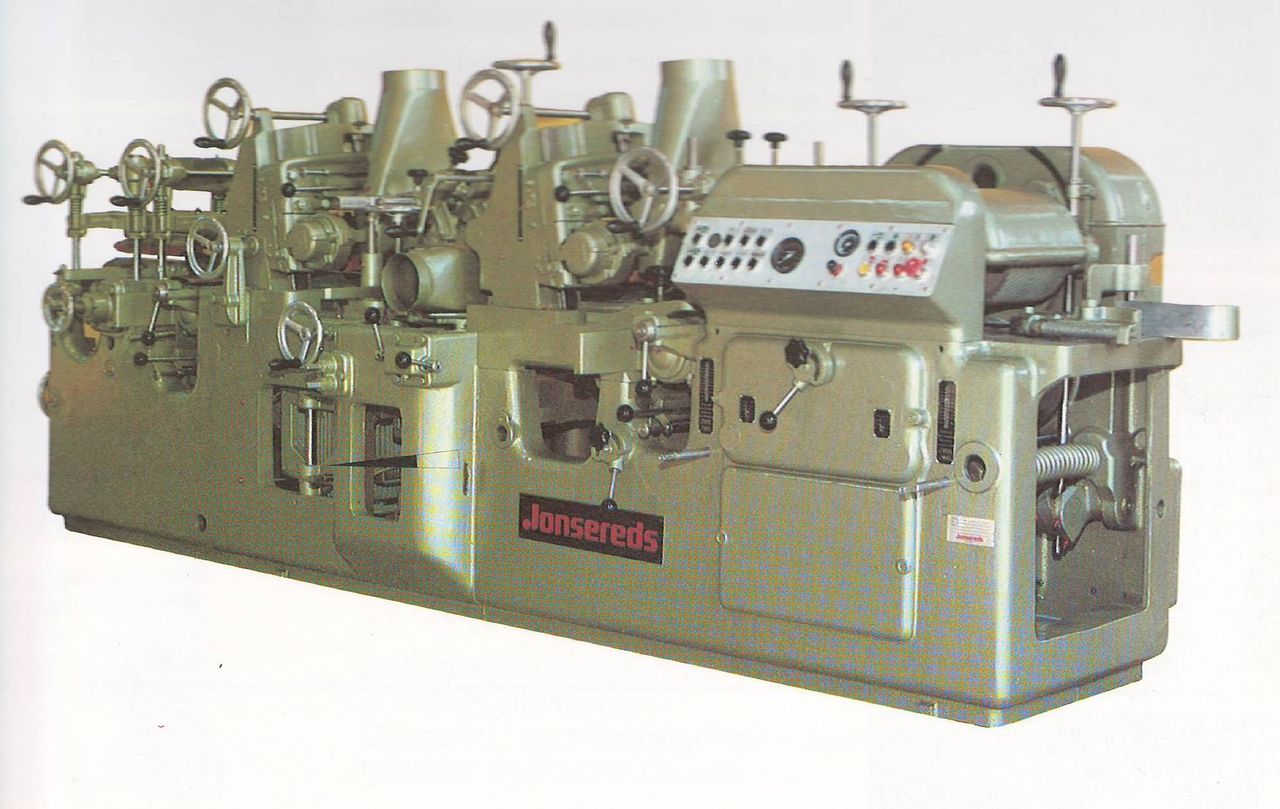
Safety and Work Environment Around Planers
The planer is one of the most widely used machines in a sawmill or joinery workshop, but it is also one of the machines that demands the most respect. High feed speeds, rotating cutter heads and large volumes of shavings mean that both new and experienced operators need solid knowledge of the risks involved. In this article we go through the most common hazards around planing machines and what you, as an owner or supervisor, can do to create a safe working environment.
Common risks when planing
Most serious accidents involving planers are related to contact with the rotating cutter block, either during feeding, unloading, or while clearing shavings. Other common risk factors include:
- Kickback – if the timber jams or the feed rollers slip, the workpiece can be thrown back toward the operator.
- Noise – older planers, such as a classic Jonsered H571 KB, can reach noise levels that require hearing protection and regular measurements.
- Dust and shavings – fine wood dust is both a health hazard when inhaled and a fire risk if it accumulates near motors or electrical installations.
- Crushing hazard – when adjusting feed tables, fences or the cutter head, there is a risk of crush injuries if the machine is not fully isolated from power.
Machine choice and safety level
Older machines can be excellent workhorses, but their safety level often differs from newer designs. A modern machine such as the Weinig U 17 typically has better enclosure of the cutter block and more efficient dust extraction compared to older models. When buying used equipment, such as a WACO HM225/3000, it is therefore important not only to look at capacity and condition, but also at what guards and safety features are already fitted – and whether they can be retrofitted.
Guards and technical solutions
To reduce risks, the following points should always be checked and, where possible, upgraded:
- Cutter guards – the cutter block must be enclosed so that no one can come into contact with the knives during operation.
- Emergency stops – several easily accessible emergency stops along the length of the machine, especially at feed-in and feed-out.
- Dust extraction – a properly sized extraction system reduces both airborne dust and fire risk from accumulated shavings.
- Anti-kickback devices – counter-rotating pawls or claws that prevent timber from being thrown back.
- Clear labelling – warning signs for residual risks along with information on required personal protective equipment.
Organisational routines
Technology only solves part of the problem – routines and training are equally important. Basic work environment practices around planers should include:
- Training and operating permits – only personnel with documented training should be allowed to operate the machine independently.
- Daily inspections – visual checks of guards, emergency stops and the cutter head before each shift starts.
- Lockout/tagout – the machine must always be fully isolated and mechanically secured during knife changes, clearing or maintenance.
- Cleaning routines – regular removal of shavings around the machine reduces fire and slip hazards.
- Risk assessments – documented and updated risk assessments in line with applicable workplace safety regulations for machinery.
Personal protective equipment
Even with good machine guarding, personal protective equipment is needed as a last line of defence:
- Hearing protection, especially during longer shifts on older machines.
- A dust mask or respirator suited to wood dust, depending on wood species and exposure time.
- Safety glasses against flying shavings and splinters.
- Close-fitting work clothes without loose parts that could get caught in feed rollers.
Ergonomics and workflow
Planing often involves repetitive work with heavy timber stock. Setting feed-in and feed-out tables at the correct working height, using roller conveyors to reduce manual lifting, and rotating staff between tasks all reduce the risk of strain injuries over time. A well-planned workflow around the machine, with clear walkways and good visibility for the operator, also reduces the risk of collisions with other staff or forklifts nearby.
Checklist before purchase or upgrade
If you are planning to invest in a new or used planer, or want to raise the safety level of an existing machine such as a Jonsered H571 KB, it is worth going through the following points together with a safety representative or work environment engineer:
- Are complete cutter guards in place, and can they be upgraded?
- Is the dust extraction sized correctly for the machine's capacity?
- Is documentation and the manual available in a language your staff understands?
- Are emergency stops positioned according to applicable regulations?
- Has the machine undergone CE marking or an equivalent risk assessment?
By combining the right machine choice, technical safeguards and clear routines, you create a working environment where the planer can operate efficiently without exposing staff to unnecessary risk.
FAQ
What are the most common accident types involving planers? The most common accidents occur from contact with the cutter head during clearing or adjustment, and from kickback of timber due to slipping feed rollers or incorrect feeding.
Is special training required to operate a planer? Yes, workplace safety regulations require operators to have sufficient knowledge of the machine's risks and guards, and many workplaces require an internal operating permit before independent use is allowed.
How often should safety equipment on a planer be checked? At minimum, cutter guards, emergency stops and dust extraction should be checked daily before starting, plus a more thorough inspection at least once a year or according to the manufacturer's instructions.