 RICHARD
Rip Saw Tips & Tricks From the Shop Floor
Running a rip saw efficiently is rarely about expensive upgrades – it usually comes down to the right settings, a solid understanding of feed speed, and disciplined maintenance habits. We talked to operators and technicians who work with rip saws every day in Swedish sawmills and joineries, and collected their best advice here.
1. The right blade for the right timber
Rule number one on the shop floor: a blade mismatched to the wood or moisture content causes more problems than it solves. Coarser teeth with larger gullets work well for wet, resinous timber, while finer teeth give a cleaner cut surface in dry, hard wood. Many operators keep two sets of blades ready and switch depending on the day's batch instead of running the same blade all week.
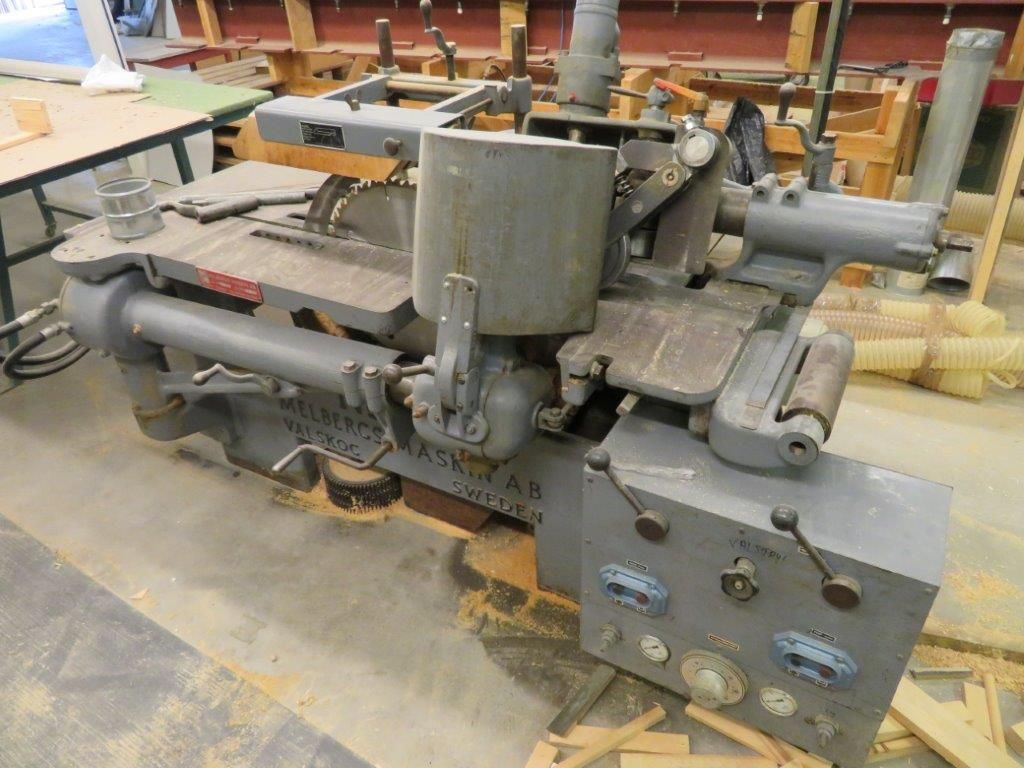
On a rip saw like the Melberg 6 H, the difference is especially noticeable since the machine often runs fast on standardised dimensions – the wrong blade choice shows up immediately as crooked cuts or unnecessary waste.
2. Check the feed before blaming the saw head
A classic shop-floor mistake is searching for faults in the saw head when the real problem sits in the feed system. Uneven feed speed, worn rollers, or incorrect pressure settings make the timber drift sideways before it even reaches the blade. Always check:
- that the feed rollers apply even pressure along their full length
- that the speed is matched to the timber's moisture content and dimension
- that guide rails and stops have no play or wear
A stable rip saw infeed is often the difference between a machine that runs a full shift without stops and one that constantly needs manual adjustment.
3. Listen to the machine – literally
Experienced operators often hear a fault before it shows up in the timber. An uneven, pulsing sound can indicate blade imbalance or worn bearings. A squeal that increases under load often points to neglected lubrication. Build short, daily listening rounds into your routine – it's cheaper than replacing a blade or shaft after a breakdown.
4. Centre-splitting requires extra finesse
When centre-splitting logs, different demands apply compared to standard dimension ripping. The goal is to hit the pith with minimal margin without losing control of the log's movement. A centre-splitting saw of the Lindsaw SS-8 type is built exactly for this, but regardless of make, the same basic rule applies: inspect the log for crookedness and cracks before it enters the machine. A log that's already skewed rarely gives a good result, no matter how well the saw is set up.
5. Daily cleaning – not just weekly
Sawdust and resin left overnight dry out and become much harder to remove. Workshops with the fewest stoppages typically run a short cleaning round at every shift change: blow out debris around the blade and feed rollers, check that lubrication channels aren't clogged, and wipe guide surfaces so the timber glides evenly.
6. Log your settings per timber type
A simple but often overlooked habit: write down which settings (blade type, feed speed, stop position) worked best for different timber batches. Next time the same dimension and species comes through, the operator doesn't have to guess – and you build an experience bank that gets new hires productive faster.
7. Schedule maintenance by production load, not the calendar
Many workshops run maintenance on fixed dates, but a rip saw running three shifts wears faster than one running a few hours a week. Instead, count maintenance intervals in operating hours or produced volume. It gives a far more accurate picture of when bearings, belts, and guides actually need attention.
8. Safety routines people actually follow
It's easy to write a safety instruction, harder to make it stick when production pressure is high. The workshops that succeed best have short, concrete checklists right at the machine – not in a binder in the break room. Points that should always be included:
- emergency stop within reach and function-tested weekly
- guards and covers in place before startup
- clear marking of where the operator should stand at infeed and outfeed
Summary
Most rip saw problems can be prevented with simple, recurring routines: the right blade for the timber, a stable feed, daily cleaning, and maintenance driven by actual operating hours rather than the calendar. Combined with a well-built machine – whether it's a robust hydraulic rip saw or a dedicated centre-splitting saw – the result is fewer stops, more consistent quality, and a calmer shop floor.
FAQ
How often should the blade be replaced or sharpened on a rip saw? It depends on timber type and operating hours, but a good rule of thumb is to check sharpness daily under high production and schedule sharpening before cut quality becomes visibly affected.
What's the most common reason timber drifts sideways through a rip saw? Usually uneven pressure or wear in the feed rollers, followed by poorly adjusted guide rails. Always check the feed system before suspecting a fault in the blade itself.
Can centre-splitting and standard dimension ripping be done on the same machine? Technically possible on some models, but in practice dedicated machines for each task give better precision and less wear over time.