 RICHARD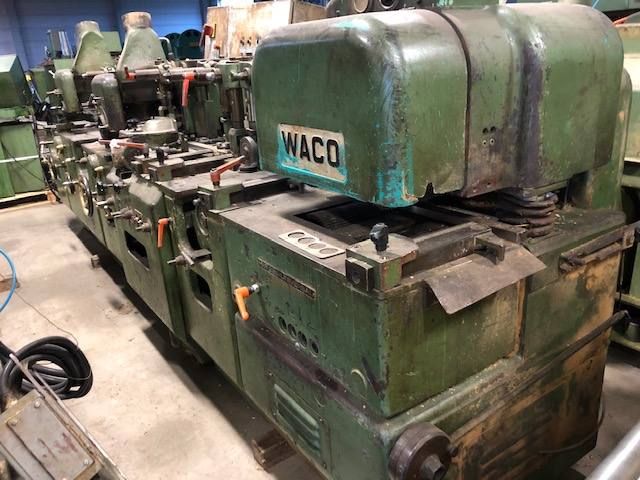
Tips & tricks from the shop floor: planer machines
Anyone who has stood at a planer for twenty years knows the manual rarely matches reality on the shop floor. Timber varies, cutters wear differently depending on species and moisture content, and small adjustments often matter more than big investments. In this article we gather practical experience from sawmills and joineries that work daily with planer machines – whether it's an older Jonsered or a more modern Weinig.
1. Always start with the feed rollers
One of the most common mistakes we see is operators blaming uneven planing on the cutters, when the real problem is the feed rollers. Worn or misaligned rollers create uneven feed pressure, which produces vibration marks and chatter on the surface. Regularly check that all rollers apply equal pressure and that the rubber coating isn't glazed or worn. A simple rule of thumb from the shop floor: if you see shiny patches on the roller, replace it before it causes rejects.
2. Cutter setup – less is more
Many new operators set cutter height too aggressively, thinking it saves time. In practice it increases load on the motor and bearings while producing worse surface finish. Take small steps, run a test piece, measure, and adjust again. Tool quality also matters here – worn or misaligned planer cutters and round cutterheads create uneven chip flow and increase the risk of burn marks, especially in harder species like oak or ash.
3. Keep an eye on the infeed
An often overlooked part of the process is the infeed to the planer itself. If the timber isn't positioned correctly or feeds in skewed before it even reaches the cutters, it doesn't matter how well-tuned the machine is. A stable planer infeed with properly adjusted guides reduces the risk of skewed planing and saves the operator from manually straightening boards all day. Invest time in calibrating the infeed whenever you switch timber dimensions.
4. Daily cleaning is not optional
Chips and dust accumulating around bearings and drive belts are one of the most common causes of unplanned stops. On many shop floors a simple rule has been introduced: 10 minutes of cleaning at every shift change. It may sound trivial, but it significantly extends the life of both belts and bearings, and reduces the risk of flammable dust in chip ducts.
5. Listen to the machine
Experienced operators often hear a fault before it shows up in the product. A change in sound from an older machine like a Weinig U 17 can be the first sign that a bearing race is starting to fail or that a cutter shaft is out of balance. Many sawmills have introduced simple checklists where the operator listens and feels the machine every morning before production starts – it's cheap and effective preventive maintenance.
6. Temperature and moisture matter more than you think
Timber that goes straight from a cold storage area into a warm production hall can expand or contract during processing, giving dimensions that no longer match afterward. On the shop floor, operators often talk about letting the timber "rest" in the production environment for a few hours before planing, especially when there's a big temperature difference between storage and the shop. It's a simple measure that saves many hours of rework.
7. Document your settings
It's surprisingly common for a machine to be reset for every new order without anyone writing down the exact settings. The result is that next time the same dimension is run, everything has to be set up from scratch again. A simple log – digital or on a board by the machine – with feed speed, cutter height, and roller pressure per dimension saves an enormous amount of time over the course of a year.
8. A maintenance schedule beats improvisation
Finally: the shops with the least downtime are rarely the ones with the newest machine, but the ones with a strict maintenance schedule. Lubrication, belt tensioning, cutter changes, and calibration should be part of a recurring system rather than done "when needed." Many older planer machines, such as classic Jonsered models, last for decades if maintained properly – which is also why they remain popular on the used-equipment market.
Whether your shop runs an older Swedish-built planer or a newer German model, the same basic principles apply: good infeed, the right tools, regular cleaning, and documented settings. It's rarely the most expensive solution that gives the best result, but the most consistent one.
FAQ
How often should you replace the cutter knives on a planer? It depends on species and volume, but a general guideline is to check sharpness every shift and replace or resharpen the knives before surface finish visibly deteriorates – don't wait until rejects increase.
What's the most common cause of vibration marks when planing? Usually it's worn feed rollers or unbalanced cutter shafts, rather than incorrect cutting depth settings. Check the rollers first before adjusting the cutters.
Can you refurbish an older planer instead of buying new? Yes, many older machines, such as classic Jonsered and Waco models, are robust and can be refurbished with new bearings, rollers, and electronics at a fraction of the cost of a new machine.