 RICHARD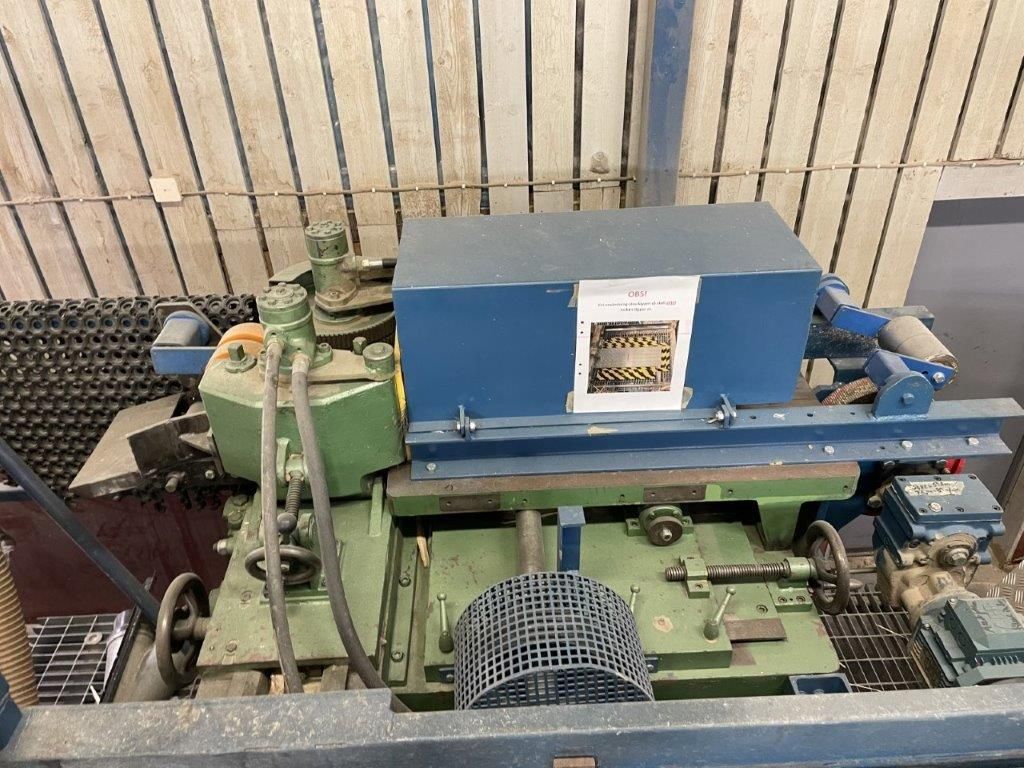
Maintenance & Care: Extending the Life of Splitting Saws
A splitting saw is one of the sawmill machines exposed to the heaviest strain – high pressures, constant contact with resin and bark, and heavy timber that must be fed and split with precision. Despite this, splitting equipment is often the machinery that receives the least ongoing attention, since it's perceived as rugged and "impossible to wear out". The truth is that proper care can be the difference between ten and twenty years of operation on the same machine – and between planned stops and sudden breakdowns in the middle of production.
In this article, we go through the maintenance routines that actually make a difference for splitting saws, feed units, and hydraulic splitting units, whether you're running an older Melberg model or a more modern hydraulic solution.
Why Maintenance Is an Investment, Not a Cost
Many sawmill owners view maintenance as something to postpone when production is high. The problem is that wear on splitting equipment rarely shows until it's too late – a worn blade, a leaking hydraulic system, or a poorly lubricated bearing often announces itself through worse splitting results, increased energy consumption, or sudden downtime. A stop on a splitting saw often halts the entire flow further back in the line, making the cost of an emergency breakdown significantly higher than the price of regular service.
Daily Care – The Five Minutes That Make a Difference
Before each shift, the operator should perform a quick visual check:
- Verify that guards and emergency stops work as intended.
- Check for leaks at hydraulic hoses and fittings, especially on hydraulic splitting saws such as /en/maskiner/RP-03005.
- Blow or brush away chips and bark around the blade, feed rollers, and guides.
- Listen for unusual sounds during idle running – squeaking or knocking often indicates bearing wear.
This routine takes less time than a coffee break but catches most acute problems before they become costly.
Lubrication – The Most Common Cause of Breakdowns
Insufficient or incorrect lubrication is the single most common cause of premature bearing failure and worn bushings on splitting equipment. Follow the manufacturer's lubrication schedule, but pay particular attention to:
- Feed rollers and chains on the feed unit, for example units similar to /en/maskiner/RP-03007, where heavy timber places high demands on the transport mechanism.
- Bearings in blade and spindle housings, which often operate under high load and vibration.
- Guide rails and linear movements, where dry running quickly causes grooving and play.
Use grease and oil according to specification – the wrong viscosity can cause more damage than no lubrication at all, especially in cold outdoor environments where viscosity changes dramatically with temperature.
Hydraulics – The Heart of Modern Splitting Saws
On hydraulic splitting saws, the hydraulic system is the component requiring the most continuous attention. Regularly check:
- Oil level and oil quality – change filters on schedule and analyze the oil when needed to detect wear particles in time.
- System pressure – falling pressure can indicate worn seals or a pump starting to lose capacity.
- Temperature – overheated hydraulic oil breaks down faster and wears out seals.
A well-maintained hydraulic splitting saw like /en/maskiner/RP-03005 can last a very long time if oil and filter changes happen on schedule instead of "when needed".
Blades and Cutting Edges – Proper Care Gives Proper Results
A dull or damaged blade doesn't just wear out the timber but also the entire machine, since the motor and drivetrain are forced to work harder to force through sluggish material. On classic splitting saws, such as a model similar to /en/maskiner/RP-03006, the blade should be checked daily for nicks and wear, and sharpened or replaced on a fixed interval rather than after visible quality decline.
Keep old blades for comparison – physically seeing the difference between a new and a worn blade makes it easier for staff to judge when it's time to replace, even before production results visibly suffer.
Adjustment and Alignment
Misaligned splitting units produce crooked-split timber, increased power draw, and unnecessary wear on bearings and drivetrain. Regularly check:
- That feed rollers run parallel and with even pressure.
- That the splitting blade is centered relative to the incoming timber.
- That any adjustable stops and guides are secure and haven't drifted out of position due to vibration.
Cleaning and Environment – Often Underestimated
Resin, bark, and fine sawdust are an aggressive combination that bonds to moving parts and acts like sandpaper during the next run. Regular cleaning, ideally at shift changes, significantly extends the life of both bearings and guides. Also make sure the machine is kept in as dry and dust-free an environment as possible – moisture is a fast route to corrosion in both mechanical and hydraulic systems.
Create a Simple Maintenance Schedule
It doesn't need to be complicated. A whiteboard or a simple spreadsheet with columns for daily, weekly, monthly, and annual maintenance goes a long way. The most important thing is that someone is actually responsible for checking off the items – maintenance that "someone else handles" often becomes maintenance that doesn't get done.
Summary
Splitting equipment is rugged, but not indestructible. With simple routines for daily checks, lubrication, hydraulic care, and blade replacement, you can double the machine's lifespan while reducing unplanned stops. Consider setting up a clear schedule today – it's the cheapest improvement you can make across the entire production line.
FAQ
How often should hydraulic oil be changed on a splitting saw? As a general guideline, hydraulic oil should be changed every 1,500–2,000 operating hours, but filters should be checked and changed more often. Always follow the manufacturer's specification and run an oil analysis if uncertain.
What are the most common signs that a splitting blade needs replacing? Visible nicks, increased force required during splitting, poorer surface finish on the timber, and increased noise or vibration are all signs that the blade is wearing out and should be addressed before results deteriorate further.
Can poor maintenance on the feed unit affect the rest of the line? Yes. A sluggish or misaligned feed unit creates uneven flow, which increases the load on subsequent production steps and can cause stops further down the line.