 RICHARD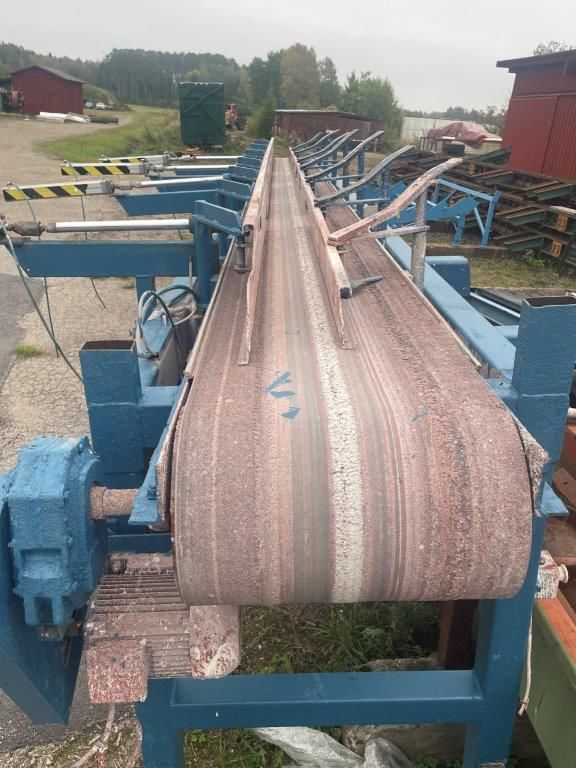
Why a proper buying guide for splitting saws is worth your time
A splitting saw is one of the machines in the sawmill that endures extreme forces day after day. The timber must be forced apart, often at high feed speeds, and wear quickly shows on knives, feed systems, and bearings. Buying a used splitting saw can be a smart way to keep investment costs down, but it requires knowing exactly what to look for. This guide covers the points that matter most for both operational reliability and workplace safety.
Inspect the feed system carefully
The feed system is the heart of a splitting saw such as the Splitting feed unit (ALMAB). Ask the seller to run the machine under load so you can observe how the timber moves through the splitting station. Look for:
- Uneven feeding or jerky motion indicating worn rollers or chains
- Leaks in the hydraulics controlling feed pressure
- Abnormal noise from gearboxes or motors connected to the feed system
A feed system that sticks or feeds unevenly gives poorer splitting results and increases the risk of production stops — costs that quickly eat into the savings you made on the purchase price.
Splitting knives and blades – the face of wear
The splitting knives wear fastest and are simultaneously decisive for the end result. On a machine like the Splitting saw (Melberg 6 H), ask to see the knives up close, preferably removed. Check:
- Sharpness of the edge and any nicks or cracks
- How many times the knives have been sharpened — too much sharpening makes them thin and unstable
- Whether spare knives exist or can still be ordered
For pith splitters, such as the Pith splitter (Lindsaw SS-8), it's especially important to check the centering against the log — a misaligned pith splitter produces uneven splits no matter how sharp the knives are.
Capacity and dimensions must match your timber
Before booking a viewing, gather your own production figures: what diameters, lengths, and volumes do you normally run? Compare these with the machine's technical data. A splitting saw undersized for your timber will wear abnormally fast, while an oversized machine may mean unnecessary operating costs and space requirements. Always ask for the machine's original specification and any modifications made to adjust capacity.
Safety and guarding — non-negotiable
Older splitting saws may lack modern safety devices required under today's workplace regulations. Check:
- That emergency stops exist in multiple locations and work instantly
- That guard covers remain in place and aren't improvised solutions
- That any light curtains or other safety systems are CE-marked and functional
If the machine lacks approved guards, factor in the cost of upgrading into your offer — otherwise you risk both workplace safety issues and fines during inspection.
Motor, hydraulics, and electrical system
Ask for documentation on motor output and condition. Listen for unusual noises during idle running and check that hydraulic cylinders aren't leaking oil. Electrical cabinets should be clean, without signs of overheating or improvised wiring. If possible, test the machine through a full working cycle rather than just a few seconds — many faults only show up after continuous operation.
History, maintenance, and documentation
A machine with clear service history is always a better buy than one without paperwork, even if the price is slightly higher. Ask about:
- Latest service and which parts were replaced
- Number of operating hours, if estimable
- Why the machine is being sold — often a sign of whether the facility changed direction or capacity
Accessories and peripheral equipment
A splitting saw rarely works in isolation. Check whether infeed and feeding tables such as the Planer/splitter infeed are included in the deal or need to be purchased separately. The right peripheral equipment can save you both time and money during installation, especially if it's already adapted for the same type of timber and capacity you plan to run.
Summary
A used splitting saw can be an excellent investment if you know what to look for. Focus on the condition of the feed system, the status of the knives, the safety equipment, and whether the capacity matches your production. Always do a test run under realistic conditions before deciding, and factor any upgrade costs into your final offer.
FAQ
How do I know if the splitting knives are too worn to use? If the knives have been sharpened many times and become thin, or if there are nicks and cracks in the edge, they should be replaced before the machine goes into operation. Always ask to see the knives removed during a viewing.
What safety requirements apply to older splitting saws in operation? The machine should have working emergency stops, approved guard covers, and any light curtains should be CE-marked. If missing, factor an upgrade into the purchase cost.
Can I run a splitting saw with less capacity than I'll need long-term? It's possible, but the machine will wear abnormally fast and risk production stops. It's often more economical to buy a correctly sized machine right away, even if it means a slightly higher purchase price.