 RICHARD
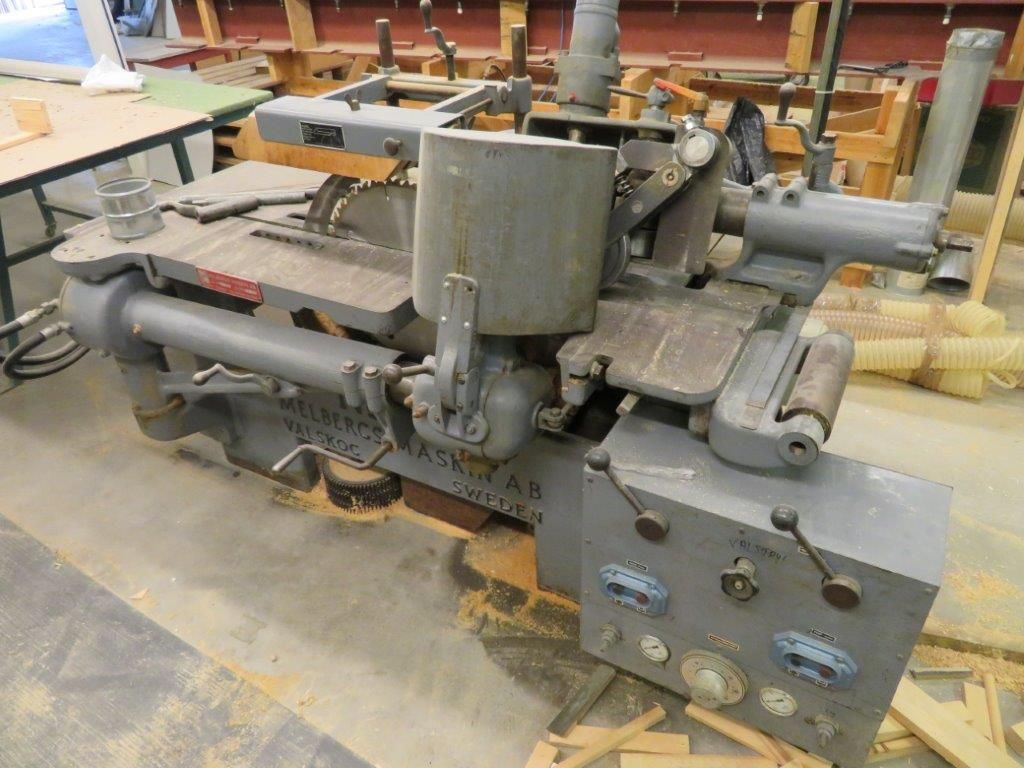
Buying guide: what to check before purchasing a used log splitter
A log splitter is often one of the most durable yet heavily stressed machines in a sawmill or joinery workshop. It operates under high forces, handles heavy logs, and runs under constant load – which makes a thorough inspection before purchase essential. Buying a used log splitter can be an excellent way to save capital and shorten delivery times, but only if you know what to look for. In this guide, we cover the key points to check before signing the purchase agreement.
1. Mechanical condition of the blade and frame
Start by examining the splitting blade's sharpness, mounting, and any edge warping. A splitter like the Melberg 6 H has a robust design, but even the sturdiest machine can have worn bearing points or a frame that's no longer square. Check:
- Play in the blade mounting
- Any cracks or welded repairs on the frame
- Wear on guide rails and sliding surfaces
If the machine has been in production for many years, expect that certain wear parts will need replacing soon, which should also factor into your price negotiation.
2. Hydraulics – the heart of the splitting process
Most modern log splitters, including hydraulic log splitters, are driven by a hydraulic system that presses the log against the blade. Hydraulics are often the component requiring the most maintenance, and expensive to repair if they fail. Check:
- Oil color and cleanliness (cloudy or milky oil indicates water intrusion)
- Leaks at cylinders, hoses, and fittings
- Pump noise level at startup – abnormal noise may indicate worn pump gears
- Pressure buildup and speed under full load
Ask the seller to run the machine through a full-load cycle so you can assess both pressure and cycle time in practice.
3. Feeding and infeed systems
For a log splitter to be efficient in production, a functioning infeed system is required. If the machine is sold together with a splitter infeed unit, check that the feed track is straight, the rollers rotate evenly, and any chains aren't stretched out. A warped or misaligned infeed can create major production losses even if the splitter itself is in perfect condition.
4. Electronics and control systems
Older log splitters often have simpler relay-based control systems, while newer machines may feature PLC control with touch panels. Regardless of system type, you should:
- Test all buttons, controls, and emergency stops
- Verify that any log-diameter sensors function correctly
- Ask whether replacement parts for the control system are still available
For older machines, finding replacement components can be difficult if a control board fails, so this is an important factor to weigh into the price.
5. Safety equipment
Log splitters work with enormous forces and sharp blades, making safety equipment central to the evaluation. Check that:
- Protective covers and guard gates are intact
- Emergency stop functions work from all control points
- Any light curtains or safety switches are functional
If the machine lacks modern safety equipment, factor the cost of upgrading into your total price, especially if you plan to commission the machine under current workplace safety regulations.
6. Documentation and service history
A seller who can show service logs, wear-part replacement records, and any CE markings gives you a much more reliable picture of the machine's actual condition. Ask specifically about:
- The most recent hydraulic oil and filter change
- Any major repairs and when they were performed
- The original operating environment (sawmill, joinery, single shift or continuous operation)
7. On-site test run
No buying guide is complete without a reminder to always test-run the machine before purchase, if possible. Listen for abnormal sounds, feel for vibrations, and verify that the split is clean and straight through the entire log. A quick visual inspection rarely reveals hidden defects in a log splitter.
8. Price and valuation
Always compare the price against similar models on the market, taking age, capacity, and condition into account. A machine in good condition with documented history is often worth a higher price tag than a cheaper machine with unknown background and hidden repair needs.
Pre-purchase checklist
- Blade and frame free of cracks or abnormal wear
- Hydraulics without leaks, clean oil, and stable pressure
- Functioning infeed system without warping
- Control system and sensors fully operational
- Complete and functional safety equipment
- Available service history and documentation
- Completed test run under load
By systematically going through each point, you reduce the risk of hidden costs and ensure that your investment in a used log splitter pays off in the long run.
FAQ
How do I know if the hydraulics on a used log splitter are in good condition? Check the oil color and cleanliness, listen for abnormal pump noise, and ask the seller to run the machine under full load to see pressure and cycle time in practice.
Is it worth buying a log splitter without modern safety equipment? It can be worthwhile if the price is low enough to cover the upgrade cost, but always factor this into your total budget before purchasing.
What documents should I ask for before buying a used log splitter? Ask for service logs, wear-part replacement records, any CE marking, and information about the machine's previous operating environment and usage level.