 RICHARD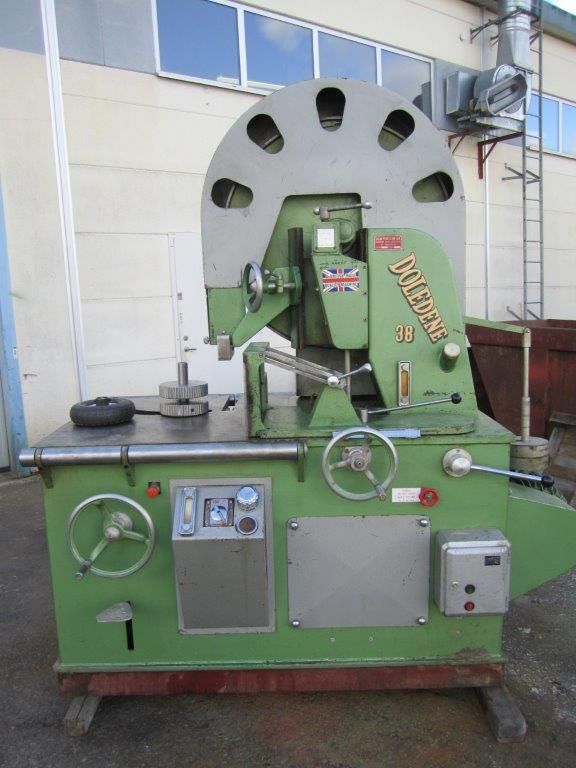
Maintenance & Care: Extending the Lifespan of Bandsaws
A bandsaw is often the heart of a sawmill's production line, and it faces heavy daily loads – large logs, constant vibration, and huge amounts of chips and dust. Whether you run a classic log bandsaw or a more modern twin bandsaw, maintenance is what determines whether the machine lasts ten years or twenty. In this article, we go through the most important routines for keeping your bandsaw in top condition, reducing unplanned downtime, and protecting your investment.
Why Bandsaw Maintenance Is Especially Important
Bandsaws operate with a continuously running blade that must maintain precise tension, cut straight through large timber dimensions, and handle thousands of cuts without slipping or wandering. Unlike many other machine types in the sawmill, the bandsaw has several moving parts working together – wheels, bearings, blade guides, tensioning mechanisms, and drive systems. If a single component fails, cutting quality is directly affected, resulting in poorer timber yield and increased risk of rejects.
Machines such as the Doledene DS 38 bandsaw or a robust twin bandsaw of the AKE 1400 type are built for tough operation, but this assumes the maintenance schedule is followed. A well-maintained bandsaw not only lasts longer – it also delivers better precision, less waste, and a safer working environment for staff.
Daily and Weekly Inspections
Most serious bandsaw faults can be prevented through simple, recurring checks:
- Blade tension – check daily that tension is within the manufacturer's recommended range. Incorrect tension is one of the most common causes of blade breakage and crooked cuts.
- Blade guides – inspect wear on guide rollers and slides weekly. Worn guides cause the blade to wander, resulting in uneven dimensions.
- Wheels and rubber tires – check that the rubber coating on drive wheels isn't cracked or uneven, as this significantly affects blade tracking.
- Lubrication – bearings, slide rails, and tensioning mechanisms should be lubricated according to schedule. Running dry for just a few hours can cause permanent bearing damage.
- Chip and dust removal – chips accumulating around wheels, motors, and electrical cabinets increase fire risk and wear on moving parts. Effective chip extraction fans are often a cheap insurance against costly downtime and unnecessary wear on the machine.
Blade Care – The Key to Longevity
The saw blade is the component that wears most and simultaneously affects the entire machine's performance. Make sure that:
- Blades are sharpened regularly by skilled staff or an external sharpening service, and that sharpening intervals are adapted to wood type and production volume.
- The correct blade type and tooth pattern are used for the timber at hand – wrong choices increase strain on both blade and machine.
- Blades are stored dry and tension-free when not in use, to avoid corrosion and deformation.
A bandsaw such as the Canali TB 1100 is known for handling high production volumes, but this requires consistent blade care – otherwise the risk of vibrations increases, which in turn wears bearings and shafts.
Preventive Maintenance – Build a Checklist
Many sawmills benefit greatly from setting up a simple maintenance schedule tied to operating hours rather than calendar dates. Example structure:
- Every 8–10 operating hours: Visual check of blade, tension, and guides.
- Every 40 operating hours: Lubrication of bearings and check of belts/chains.
- Every 200 operating hours: Filter change in lubrication system, check of electrical cabinets and wiring.
- Every 1000 operating hours: Major service with inspection of wheel bearings, wheel alignment adjustment, and calibration of measuring systems.
By documenting every action in a log, it becomes easier to spot patterns – for example, if a particular bearing wears out faster than normal, which can indicate incorrect adjustment elsewhere in the machine.
Common Mistakes That Shorten Lifespan
- Running with incorrect blade tension for extended periods – causes uneven wheel wear and damaged bearings.
- Ignoring small vibrations – often an early sign of imbalance or worn components.
- Inadequate cleaning – chip buildup in electrical cabinets is a common cause of both breakdowns and fires.
- Postponing lubrication – one of the cheapest maintenance tasks but also one of the most critical for bearing lifespan.
Resale Value and Maintenance Go Hand in Hand
For sawmills planning to eventually sell or upgrade, maintenance history is one of the factors that most affects resale value. A bandsaw with documented service, replaced wear parts, and a clear log book is significantly more attractive on the used equipment market than a machine without traceability. This applies to smaller workshop bandsaws as well as larger production lines.
Summary
Bandsaw maintenance is about consistency rather than large, infrequent efforts. By combining daily checks, proper blade care, good dust extraction, and a structured service schedule, you can significantly extend the lifespan of the machine – while keeping production stops and quality issues to a minimum. Whether you run a simpler model or a heavier twin bandsaw, it's the maintenance, not the model, that ultimately determines how long the machine performs at its best.
FAQ
How often should you replace the blade on a bandsaw? It depends on wood type, production volume, and blade quality, but most sawmills sharpen blades based on operating hours rather than calendar time. A good rule of thumb is to check sharpness daily and sharpen at the first sign of reduced cutting quality.
What is the most common cause of blade breakage on bandsaws? Incorrect blade tension is the most common cause, followed by worn blade guides that cause the blade to wander and be subjected to uneven load. Regular checks of both these points significantly reduce the risk.
How does dust extraction affect machine lifespan? Chips and dust accumulating around wheels, motors, and electrical cabinets increase both fire risk and mechanical wear. Effective chip extraction fans and regular cleaning are a simple but crucial part of maintenance.